IN THIS ARTICLE
Home / Renovation Notes / Surface Preparation
Preparation
Why Surface Preparation Matters as Much as the Finish
When you choose tiles, you are choosing the layer everyone sees. How long that layer stays flat, firm and good-looking depends on what is underneath it. Here is how I think about that part of the job, and what I look at before a single tile goes down.
By Ivan Bodnar, Home Renovation Specialist
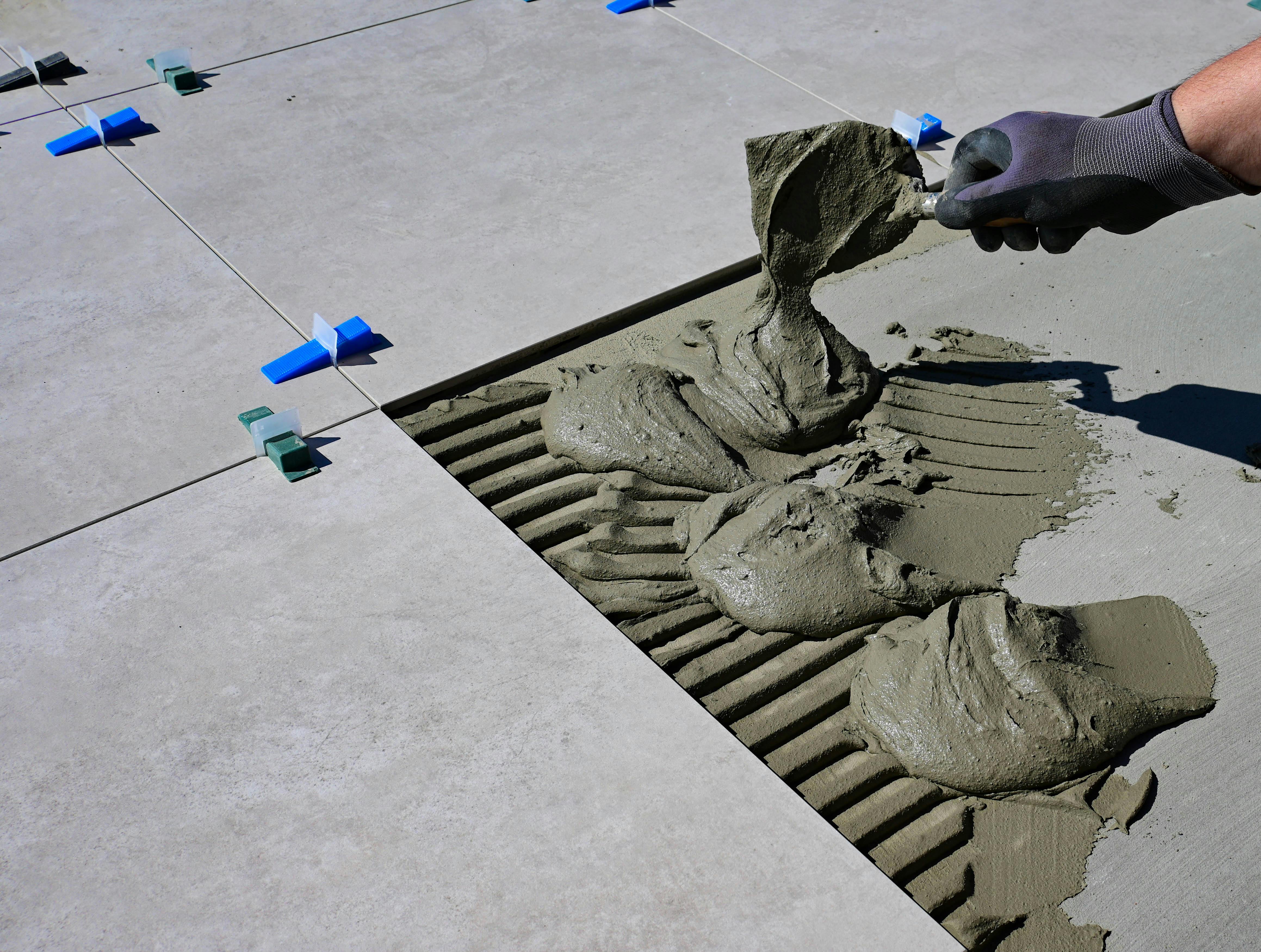
Reference photo: adhesive combed out with a notched trowel next to tiles already laid.
01 — THE ARGUMENT
A better tile can't fix a poor surface
In my experience, proper preparation matters as much as the visible finish. It is natural to spend most of your planning time on tile choice, pattern and grout colour, because those are what you will live with every day. They are also the parts that show any problem with the surface underneath.
A tile follows whatever it is laid on. If the floor dips, the tile edges will catch the light unevenly. If the old surface is loose or crumbling, the new finish has nothing reliable to hold on to. A more expensive product cannot make up for a surface that is unsuitable or poorly prepared. Spending more on the tile without dealing with the base often just means a more expensive problem later.
That is why preparation is part of every wall and floor tiling job I quote, not something added on afterwards.
02 — WHAT I CHECK
Four things I look at first
These are general points from the on-site assessment. What each one means for your home depends on what I find there.
Flatness
Is the surface even enough for the tile you have chosen? Larger tiles show unevenness more than small ones, so the tile choice and the surface need to suit each other.
Substrate
What the tile will actually be fixed to, and whether it is sound. Old adhesive, loose patches and damaged sheeting all need dealing with first.
Moisture
Signs of dampness or past water damage, especially in bathrooms and laundries. Moisture affects how materials bond and how long they last.
Movement
Floors that flex underfoot or cracks that keep returning. Tile is rigid, so movement underneath usually finds its way to the surface.
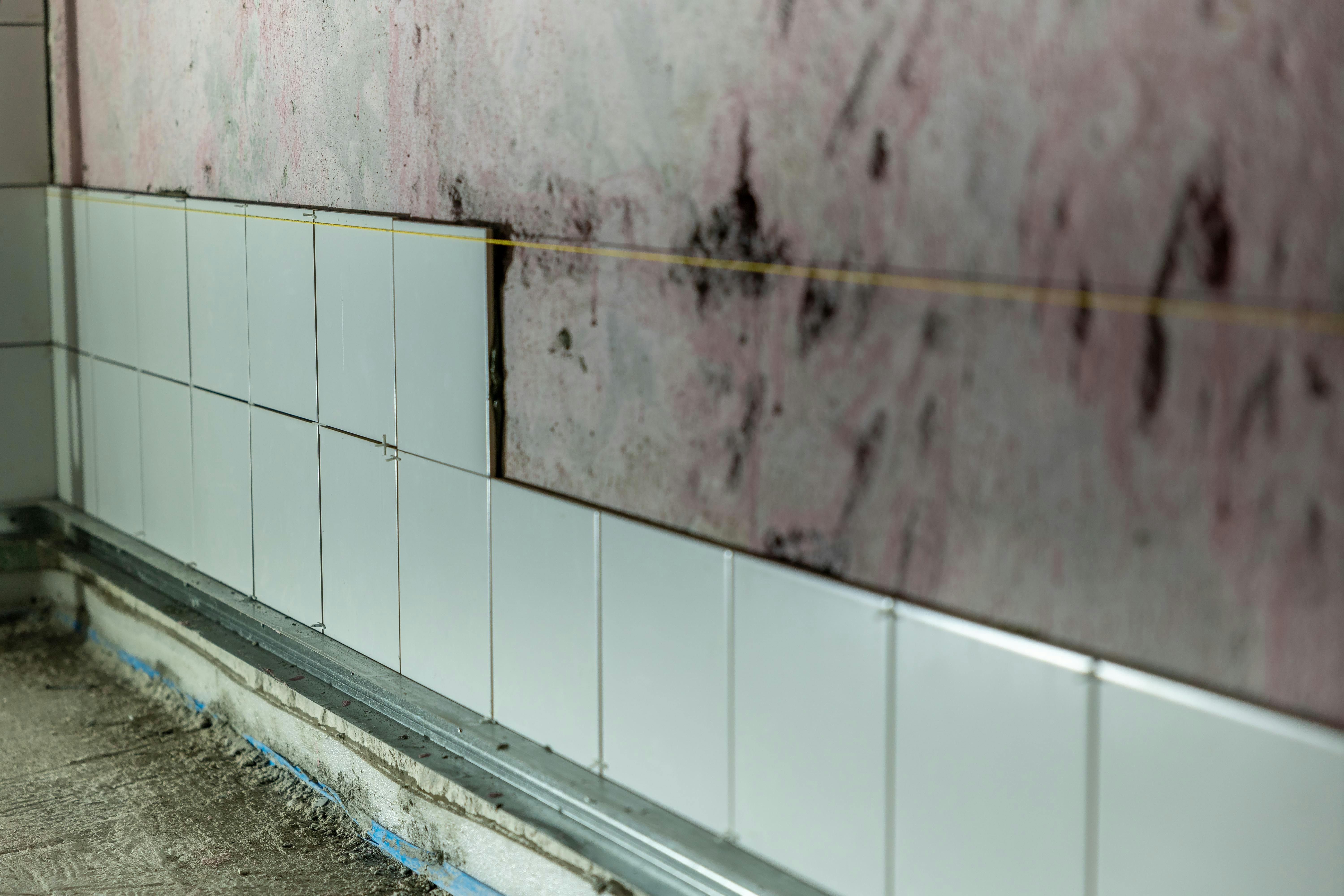
Reference photo: new tiles meeting the exposed surface underneath.
03 — CONCEALED CONDITIONS
Some things only show once the old tiles are off
An assessment tells me a lot, but not everything. Some conditions only become apparent after existing finishes are removed: damaged sheeting, old water damage or a base that is weaker than it looked.
When that happens, I stop, show you what I have found and explain the options before anything changes. It is one reason a detailed written quotation sets out the agreed scope clearly, and why costs and timeframes depend on the existing property. You can read more in What Can Appear When Old Tiles Come Off and in the Quotation & Work Terms.
04 — WHERE OTHER TRADES FIT
“A more expensive product cannot compensate for an unsuitable or poorly prepared surface.”
Preparation sometimes touches work that is not mine to do. Plumbing and electrical components are completed by appropriately licensed specialists, and I plan my preparation and tiling around that work so each layer is ready for the next. How plumbing and electrical work fits into your renovation explains how that is arranged.
If you would like me to look at the surface in your home before you decide on tiles, you can discuss your project with me.