CHAPTER 07 — PAINTING
Paint is the last layer. It shows everything underneath.
I carry out interior and exterior painting in Bentleigh and surrounding Melbourne suburbs, either as a practical home improvement or to finish rooms after tiling, plastering or other renovation work. You deal with me directly, from the on-site assessment through to the final coat.

Reference photo: checking a wall before any finish is applied.
BEFORE ANY PAINT GOES ON
What I check first
Cracks, dents and patched areas
Flaking or poorly bonded old paint
Signs of damp or moisture staining
Fresh plaster or new plasterboard joints
Edges where paint meets tiles and trims
How the room will be used afterwards
If something I find needs more than painting, I explain it plainly and talk through the practical options with you.
LAYER 01 — REPAIR
Fix the surface
Fill cracks and holes, scrape back loose paint and deal with damaged sections so the surface is sound.
LAYER 02 — SAND
Even it out
Sand repairs and joints flush. Paint makes ridges and patches easier to see, not harder.
LAYER 03 — PREPARE
Clean and protect
Remove dust and grime, mask tiles, floors and fittings, and prime where the surface calls for it.
LAYER 04 — FINISH
Apply the coats
Cut in the edges and apply the coats, checking the work as it goes rather than only at the end.
INSIDE AND OUT
Questions worth asking before you paint
Is it interior or exterior work?
Interior painting is usually about a clean, even finish in rooms you live in every day. Exterior surfaces face sun, rain and temperature changes, so their condition and the weather both affect how and when the work can be done.
Is it a refresh or the end of a renovation?
Repainting a lived-in room is mostly repair and preparation. Painting after new plasterboard or tiling means working with fresh surfaces and clean edges against the new finishes.
What will it cost?
That depends on the existing surfaces, the materials you choose and the agreed scope. Any figures I give before seeing the job are general guidance only. After the on-site assessment you receive a detailed written quotation. How the assessment and quotation work →
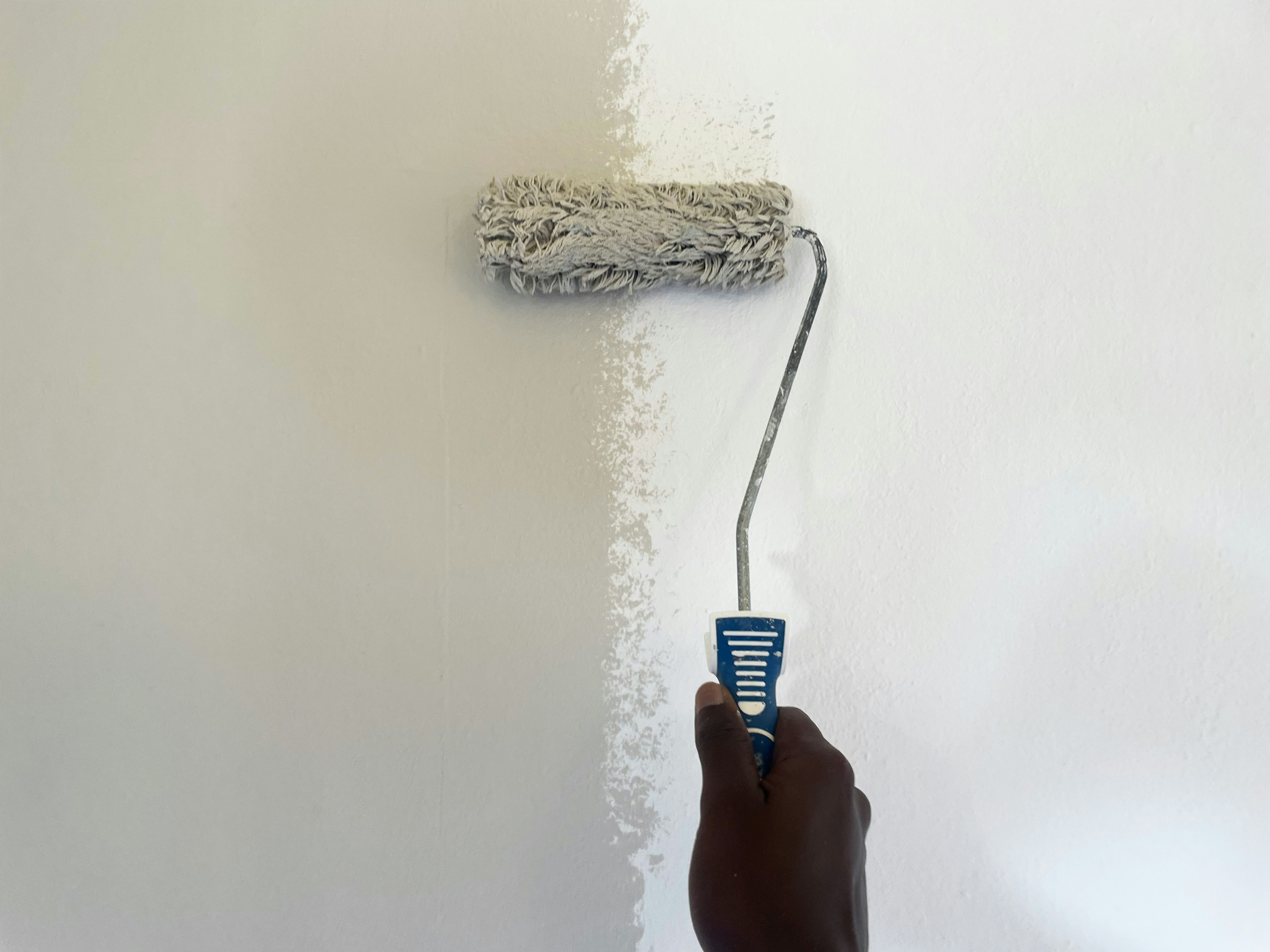
Reference photo: a roller applying white paint, with the unfinished edge still visible.
FINISHING A RENOVATED ROOM
One person, from the wall to the last coat
When I’ve also done the plasterboard and plastering or the wall and floor tiling in a room, painting is the natural last step. I already know how the surfaces were prepared, where the joints are and how the paint needs to meet the tiled edges.
“Once paint is on and side light from a window runs across the wall, every ridge and patch shows. That’s why the repairs are sanded flush before the first coat, not after the last one.”
Ivan Bodnar, Home Renovation Specialist
RELATED READING
Why Surface Preparation Matters as Much as the Finish →
What Can Appear When Old Tiles Come Off →
Bentleigh & Surrounding Melbourne Suburbs →
Have a room or exterior wall that needs attention? Tell me your suburb and what you have in mind, and we can arrange a free on-site assessment.